• WELCOME HERE
  • Home Page
  • ABOUT YOU
  • ABOUT ME
  • mind/body
  • spirituality
  • tips
  • Fannie’s Kitchen
  • Videos
    • Music

My Tales and Tips

~ stories to inspire and tips for living

My Tales and Tips

Category Archives: mind/body

Are You What You Eat?

07 Thursday Feb 2013

Posted by yeloros in bones, mind/body

≈ 4 Comments

Tags

bone density test, calcium-fortified foods, calcium-rich foods, osteopenia, osteoporosis, vitamin D, WPLongform

Read “Dumbbells and Diet” and “Move It! You’re Losing It” first
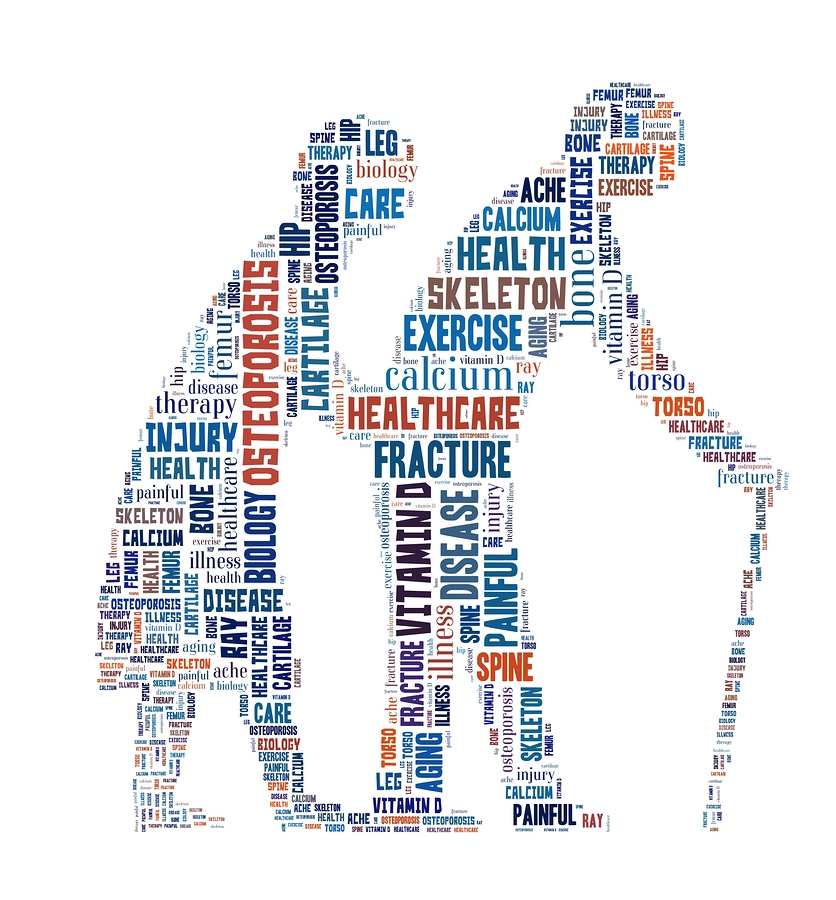
bigstock-Osteoporosis-in-word-collage-38927227The reason for starting a blog was to find others who may be going through the same issues around health, nutrition, longevity, etc., and I hope these posts on osteoporosis will open the door for a way to help each other on this journey.  I knew I had to take the diagnosis of osteopenia seriously, especially after learning that one in five people with a hip fracture will end up in a nursing home within a year.  Plus, they are at risk of dying during the year after the break–the threat of death has a way of grabbing our attention.

Hopefully, by now you have read the two posts above and you’re planning to get off the couch and engage in some kind of daily physical activity in your effort to become stronger and more flexible each day.

Now let’s talk about the other part of this healthy regime, a well-balanced nutrition plan for our most valuable “assets”, our bones and muscles.  Keep in mind that what’s good for them is good for the whole body as well.  Is what you’re eating, helping or hurting your body?

DWINDLING STOCKPILE

Everyone is probably aware of the fact that calcium and vitamin D are needed for bone health.  Since we are all in the same boat, because about age 30 we start losing more bone than we replace, we now have to make an effort to maintain and strengthen what we have. Not every older person gets osteoporosis, but it does become more bigstock-osteoporosis-25757441common with age.  Even if we have a stockpile of strong bones built before adulthood, there are those factors putting us at risk we have no control over, like age, family history, gender, and size.  Plus, certain medications and medical disorders are also risk factors. The unhealthy habits known to cause bone loss, which we can change, are physical inactivity, smoking, and alcohol abuse.

INSUFFICIENT FUNDS

Unlike other health problems where we feel or look sick, we don’t “feel” like our bones are fragile.  Unfortunately, we can’t go to the doctor and ask for a blood test to see if we need to eat more calcium or take a supplement.  About 99 percent of the calcium in our body is in our bones and isn’t measured by a blood test.  A bone density test, similar to an x-ray, is for that purpose.  The bad part is that our body can’t produce calcium, it must be absorbed daily through our diet, and to make matters worse, each day we lose it through our skin, nails, hair, sweat, and waste.  Many Americans don’t get the amount of calcium for our body’s needs so it’s taken from our bones, leaving them weak and fragile.  Of those 50 years of age or older, more than 10 million men and women have osteoporosis, and nearly 34 million are thought to have weak bones.  So how do we get our daily recommended amount?

RICH RESOURCES

Foods naturally rich in calcium include milk/milk products, leafy green vegetables, (one cup of cooked collard greens has 266 mg of calcium), a few fish and shellfish, nuts, dried beans, asparagus, broccoli, unsulphured blackstrap molasses, bok choy, to name a few.  (See website at end of post for a short video on bok choy.)  Our body doesn’t absorb calcium well from foods high in oxalates, such as spinach, rhubarb, Swiss chard, or certain beans, however, these foods have other healthy nutrients.

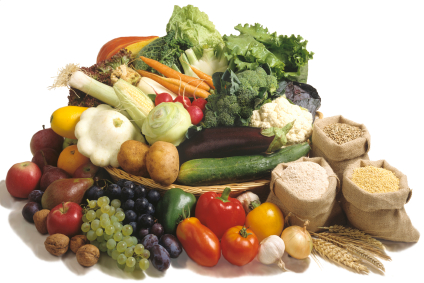
Many studies have linked a higher intake of fruits and vegetables to be beneficial foriStock_000011401679XSmall bone health as well as for our health in general.  Studies show that eating the rainbow of colorful fruits and vegetables, with their different colored compounds, may prevent disease.  For instance, red may help by reducing the risk of several types of cancer, especially prostate, and it protects cells from damage and keeps our heart healthy.  Other colors have their own unique compounds promising health benefits.  According to the Dietary Guidelines for Americans issued by the Department of Agriculture, we should aim for at least two cups of fruits and two and one-half cups of vegetables daily.  (Although fruit looks pretty in that bowl on the counter, it will stay fresh longer when it’s not all together.)  To get your personalized daily food plan, see websites at the end of post.
Now what about the fact that milk is at the top of the list of calcium-rich foods but it is definitely not on the list for those of us who are lactose intolerant and those who don’t eat dairy?  Luckily, calcium-fortified foods come to the rescue:  A few brands of breakfast cereals, snacks, breads, and drinks like rice, coconut, almond, and soy milk, as well as orange juice, are fortified with at least 30% (300 mg) of calcium.  Some provide several health benefits and are high in essential nutrients; however, others may be sugar overload for diabetics.  Be sure to shake the carton of any fortified liquid before each use because calcium settles to the bottom.  (See website at end of post for a short video on dairy substitutions.)

“ADDED VALUE”

Vitamin D plays an important role in the absorption of calcium.  Its other benefits include, reducing infections, improving the immune system and preventing some cancers.  There is a blood test for vitamin D levels.  Some food products are fortified with vitamin D with the Nutrition Facts showing the daily value.  The limited food sources include egg yolks, sardines, salmon, mackerel and tuna.  Our skin naturally makes vitamin D from ultra violet rays (UVB) in sunlight.  I’m sure some people will be upset to learn that they are not going to get their dose of vitamin D in sunlight coming through the window pane.  I was determined to get my dose even during the winter months by sitting in the sun outside on my deck.  But then I realized instead of catching some rays, I would probably catch pneumonia.  Actually, the amount of vitamin D our exposed skin makes depends on the season, time of day, latitude, our skin pigmentation, and other factors.  Consequently, production may decrease or be completely absent during the winter depending on where we live.

Wooden house

More studies are being done on foods that may rob our bones of calcium or decrease calcium absorption and in some way harm our bones:  salty foods, caffeine in coffee, tea, and colas, but not other soft drinks, are a few foods in question.

Visit the National Osteoporosis Foundation (nof.org) website to see your risk factors, recommended daily calcium and vitamin D values, and a list of other foods with essential vitamins and minerals affecting our bones and muscles.

As for calcium and vitamin D supplements and osteoporosis medications, what we are being told is beneficial one day, seems to be bad the next, therefore I’m staying out of that discussion.

I’ve been wondering if it’s possible to see any outward signs to let us know that our bones are being strengthened because of all this healthy eating, and I’m somewhat encouraged.  Since I’ve been on this bone-enrichment plan, which includes eating more fruits and vegetables, my nails are longer and stronger than ever before.  Could this be a good sign that my bones are being strengthened as well?

See post “Simple Salmon” in Fannie’s Kitchen for an easy, bone-building meal.

  • Bok choy video: (http://www.about.com/video/bokchoy)
  • Dairy substitutions video: (http://video.about.com/dairyfreecooking/types-of-milk-substitutes/htm)

CONSULT YOUR HEALTH CARE PROFESSIONAL BEFORE MAKING ANY MAJOR DIETARY CHANGES

Resources:

  • National Osteoporosis Foundation (http://www.nof.org)
  • National Institutes of Health
  • U.S. Department of Agriculture (http://www.ndb.nal.usda.gov/ndb/foods/list)
  • MyPyramid Plan (http://www.mypramid.org/plan.php)
  • (http://www.fruitsandveggiesmatter.gov)
  • Center for Disease Control and Prevention
  • National Heart, Lung, and Blood Institute (http://hp2010.nhlbihin.net/portion)
  • Food and Drug Administration
  • Dietary Guidelines for Americans
  • MedlinePlus.com (http://www.nim.nih.gov/medlineplus/enc/)
  • Mayo Clinic
  • World Health Organization
  • (http://www.PubMed.gov)  (research studies on nutrition and bone health)
  • American Journal of Clinical Nutrition
  • (http://www.Healthination.com)
  • (http://www.Livestrong.com)

Images:

  • Bigstock.com
  • istock.com

Rate this:

Dumbbells And Diet

13 Wednesday Jun 2012

Posted by yeloros in bones, mind/body

≈ Leave a comment

Tags

bone density test, bone fractures, bone loss, calcium, glaucoma, high blood pressure, inversions, National Osteoporosis Foundation, osteopenia, osteoporosis, valsalva maneuver, vitamin D, WPLongform, yoga poses

6615207_blogThis post was originally going to only be about osteoporosis (oss-tee-oh-pore-OH-sis) (porous bones) and would be of concern to women only, and I would not get into all the information they could easily find online.  I was going to tell about the pitfalls I ran into while doing all the things needed to keep bones strong, like walking, yoga, and exercising.  Well, I soon realized that those pitfalls could actually save anyone from a hospital stay, keep someone out of a wheel chair, prevent a stroke, or even death.

WARNING:  DON’T ASSUME!

Now you’re probably wondering what on earth these kids have to do with this post.  The caption for the picture reads “Yeah, Sis, osteoporosis really is a crying shame!”  To me, this little girl is typical of the child who would eventually become that thin, small, older woman with fragile bones and break a hip because of osteoporosis.  Her little consoling brother assumes, that as a male, he really won’t have to worry about this awful thing.  Well, we were both wrong.  First of all, men get osteoporosis too, and men and women of all backgrounds need to be aware that they could be at risk.  Building strong, healthy bones begins at birth and lasts our whole life.  Consequently, calcium-rich foods, along with sunshine for vitamin D, and plenty of physical activity are essential even early in life.  It’s like building a savings account of strong  bones for adulthood.  Little did I know that all of us start losing bone about age 30 when the rate of bone building slows down as the rate of bone loss picks up.  How wrong I was to assume that I never had to worry about osteoporosis because I didn’t fit the profile of that little girl.

You might be thinking, (assuming) that you don’t have to worry because your bones feel just fine.  Osteoporosis is a “silent disease” where your bones become fragile and break easily causing terrible pain.  Here’s the sad part and the real crying shame:  Very fragile bones can break from something as simple as a hug, sneezing, bending over, bumping into furniture or even spontaneously–you don’t have to fall to break a bone, your bones can break, causing you to fall! I like the way it’s described in The Surgeon General’s Report:  With osteoporosis, your body’s frame becomes like the frame of a house damaged by termites.  Termites weaken your house like osteoporosis weaken your bones.

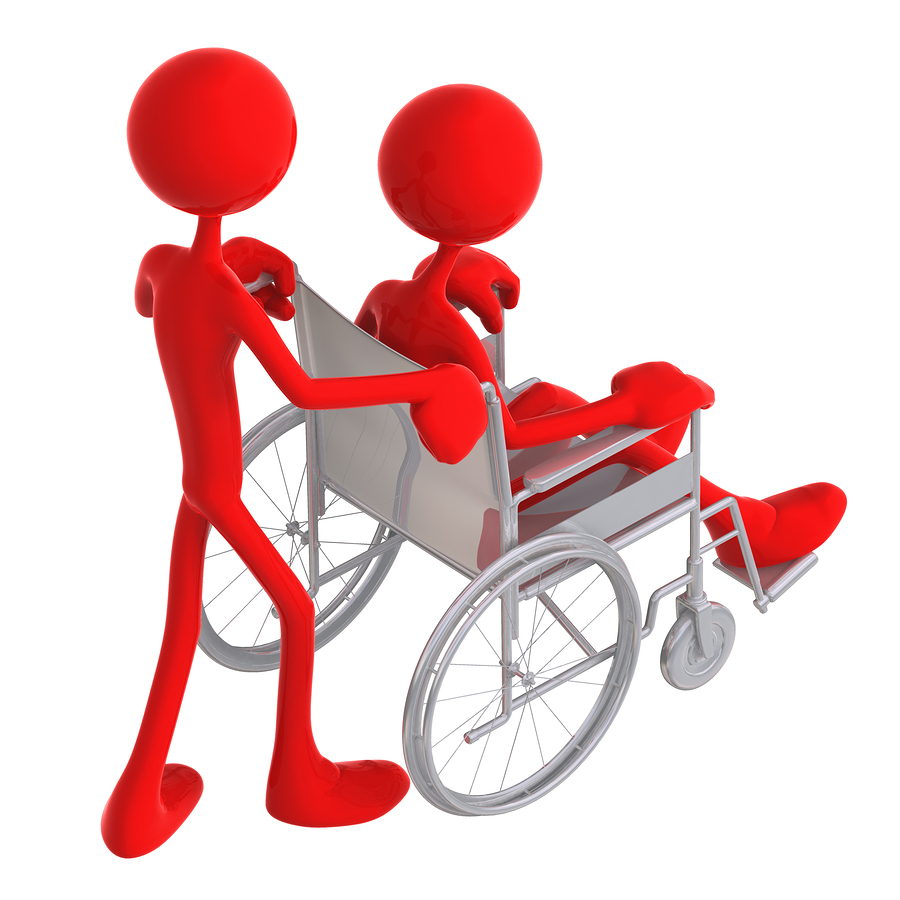
One in five people with a hip fracture will most likely end up in a nursing home within a year and others may be confined to a wheel chair, or worse!

bigstock-Person-On-Wheelchair-1661469

EARLY DETECTION

Now I’m pretty savvy about taking charge of my health and keeping up with tests women should have at different stages of life.  However, because of my assumption that I wasn’t a candidate for osteoporosis, I never thought to ask for the pain-free, 10-15 minute bone density test.  This is an x-ray showing how strong your bones are, and my doctor never mentioned it.  I became concerned and asked for the test only after a dear friend, with osteoporosis, fell and broke her wrist.  The most common breaks in weak bones are in the wrist, spine and hip, but any bone can be affected.  Early detection is critical because by the time any symptoms (pain or fracture) become apparent, the disease process is already far advanced.

Now here is something to think about:  What if our primary care doctor had a form in front of every patient’s chart, one for men and one for women, listing all the tests we should have according to our age and risk factors?  That form would have been right there in plain sight making my doctor aware of when I was due to have a bone density test, and I could have been spared the diagnosis now of osteopenia (thinning bones).  (How about also putting the patient’s photograph with the form?  It would be especially helpful in the chart of patients hospitalized or in nursing homes.  How many injuries or deaths occur each year as a result of patients getting the wrong treatment or medication due to misidentification?)

KNOW YOUR RISKS

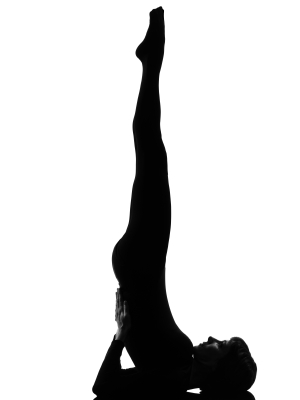
I’m sure we have all heard about the wonderful benefits of tai chi and yoga.  One day our well-qualified yoga instructor said that anyone with heart disease, high blood pressure, glaucoma or certain health problems, should not do the next poses.  Well, I assumed she didn’t mean me because my one and only medication is for high blood pressure and I assumed it was under control, therefore I did the poses.  When I got home and took my blood pressure because I didn’t feel “quite right” it was sky high.  Those poses, called inversions, are a group of yoga positions where your hips or legs are higher than your heart, or the heart is higher than the head,

woman adho mukha svanasana Dog Position woman sarvangasana setu bandha bridge pose yoga iStock_000015898994XSmall (1)

spiking your blood pressure and increasing your risk for stroke or other cardiac event.  Of course there was no need to stop the classes, I just stopped doing those poses.

DO YOUR RESEARCH

8950366_sBecause I’m not crazy about exercising, I was elated when one day I read an article promising to reverse bone loss in just ten minutes a day.  I assumed this meant that I never ever had to exercise again.  It turned out that they were talking about isometric resistance movements.  Thankfully, I went online to research this claim.  The warning in several articles was in big bold print stating “If you have high blood pressure or any heart problems you must avoid doing isometrics.”  It causes your blood pressure to rise to extremely high levels leading to fainting, headaches, even stroke.  This is due to what’s known as the valsalva maneuver which happens when we’re grunting or straining, holding our breath and not breathing properly while exercising.  I’m not going to attempt to fully explain it here, but see website at the end of this post and I urge you to read all about it.

KNOW YOUR LIMITATIONS

Walking is one of the best exercises we can do because of all the health benefits.  How glad I was when our new community center opened and had an indoor walking track.  Just 16 laps around the track equals one mile.  I was under the assumption that surely I could walk a mile without stopping, so I started out like I was in training for race walking.  Around lap 12 or 13 I started slowing down and realized I was not breathing right and was straining and forcing myself to continue. (Why is it so many of us don’t know how to breathe when it comes to exercising?  Instead of breathing openly and freely, we actually do the opposite and hold our breath.) At lap 15 I wasn’t feeling “quite right” but told myself I could do one more lap, but my body told me to quit and go home.  To shorten this story, at home I waited for my blood pressure to come down but it continued to steadily rise.  It was well pass time to call 911 when it reached 230/180–I was experiencing the valsalva effect.  This assumption that I was physically prepared to walk a mile, put me in hospital for two days having all kinds of tests including a heart catheterization.

Lesson learned–ASSUMPTIONS CAN BE HAZARDOUS TO YOUR HEALTH!

DCF 1.0

So what’s this sleepy looking bear have to do with anything?  Good news!  Research is underway at several medical centers and universities to find out why bears are able to maintain their bone strength following months of hibernation.  Let’s hope this research leads to preventing and reversing bone loss and finding better treatment options for osteoporosis in the future.

See “Move It! You’re Losing It” and “Are You What You Eat?” to read more about saving your most valuable “assets”–your bones and muscles.

See “Simple Salmon” for a quick and easy bone-building recipe.

The National Osteoporosis Foundation (http://www.nof.org) has more information than you can imagine. 

Be sure to have your vision checked.  A recent report discovered that having surgery to correct cataracts resulted in fewer broken hips from falls in older people.  It would be a good idea to have your hearing checked also, especially if you think everybody is whispering.

Resources:

  • (http://www.mayoclinic.org)
  •  National Osteoporosis Foundation (http://www.nof.org)
  • Yoga Journal: High Blood Pressure and Inversions
  • (http://www.livestrong.com/article/357774)
  • (http://www.yogaalliance.org) (find certified instructors)
  • (http://www.livestrong.com/article/299067/hypertension-isometrics/)
  • U.S. Department of Health and Human Services
  • National Institutes of Health (http://www.nih.gov/osteoporosis)
  • (http://www.niams.nih.gov/bonehealth)
  • The Surgeon General’s Report on Bone Health and Osteoporosis
  • Michigan Technological University (http://www.mtu.edu)
  • The American College of Sports Medicine
  • “Essentials of Exercise Physiology”
  • American Heart Association (http://www.heart.org)
  • National Institute on Aging (http://www.nia.nih.gov/osteoporosis)

Images:

  • 123RF.com
  • istock.com
  • Bigstock.com
  • Ponds5.com

Rate this:

TIPS-Gluten No-No’s

21 Saturday Apr 2012

Posted by yeloros in gluten no-no's, mind/body, tips

≈ Leave a comment

Tags

celiac disease, gluten sensitivity, gluten-free, hidden gluten, wheat allergy, wheat substitutions, WPLongform

TIPS

Click here to read “Goodbye Arthur” first

Just what on earth is gluten anyway?

VICTIM #1

Gluten is a protein in wheat, rye, and barley causing one to suffer pain and distress as it attacks the lining of the small intestine in those with celiac disease.  The resulting inflammation interferes with the absorption of proteins, fats, vitamins, minerals and other important nutrients, causing the person to feel sick most of the time.

As for symptoms:  Gluten drains your energy and will make you irritable and anxious.  Bloating, gas and severe stomach pains can send you to bed.  Because of your aching bones and joints, you are pretty sure you will soon be on medication for arthritis, using a cane or a walker, or having a hip or knee replacement.  You will be spending a lot of time running and sitting–with diarrhea and/or constipation. It causes your head to ache, and your mood to tank.  Brain fog will have you doubting your sanity.  Over time, this “villain” may cause some celiacs to develop anemia and/or osteoporosis. Symptoms are varied and there are many more than I’ve listed here.

Gluten affects each person differently and some may have only one worrisome reaction while someone else will have numerous complaints.  Others may have no symptoms at all, plus, not all celiacs look undernourished.  It runs in families and attacks all ages, even infants.  It may take a few days, or unfortunately, even months, before those with celiac disease feel better after going gluten-free, depending on how long it takes for their intestine to heal.  In order to avoid a false negative, a blood test must be done before going on a gluten-free diet, and an intestinal biopsy will help diagnose celiac disease.

VICTIM #2

Gluten also inflicts misery on those unfortunate enough to be gluten-sensitive, causing us to experience many of the same symptoms as the celiac when we eat gluten.  But thank goodness, we feel better shortly after gluten is eliminated from our diet and there’s no damage to our small intestine.  There’s no test for gluten-sensitivity.  Keeping a food journal to see which foods cause discomfort, is our trial and error test. Gluten sensitivity may be the reason for some health problems in children.  Treatment for us, and those with celiac disease, is a life-long commitment to a gluten-free diet.  Some of my friends and family think I’m being deprived because I can’t eat “their” kind of food.  Believe it or not, but there are hundreds, or thousands, of gluten-free alternatives on the market replacing anything they think I’m giving up.  Even better, many recipes can be found online.

What a blessing to have found the cause and “cure” for my gluten problem that didn’t call for an operation or several unproductive visits to doctors.  I also didn’t end up with many useless meds promising a litany of side effects, including coma, stroke, seizure, heart attack, cancer, suicide, or even early death–is there a late death?

VICTIM #3

Then there are those who have a wheat allergy, one of the more common food allergies in children.  It isn’t as prevalent in adults.  Symptoms are quite different in children including, but not limited to:  itching, swelling, watery eyes, rash, difficulty breathing, nausea, vomiting or anaphylaxis (a life-threatening reaction requiring immediate medical treatment).  Some children may even experience the same symptoms as those with celiac disease or gluten sensitivity.  Blood and skin tests are done to make a diagnosis, and their intestine is not damaged.  Children will usually outgrow this allergy.

But wait, in spite of all the bad-mouthing above, let me make it clear, gluten is not “bad” for most people.  It doesn’t trigger an immune or negative reaction in everyone.  It’s like dairy causes much distress for those who are lactose intolerant, and some people can’t eat soy, seeds or nuts, but those foods don’t cause problems for most people.  So, if gluten doesn’t steal your well-being, be thankful and enjoy your food.  Don’t get caught up in the false notion that all those packaged gluten-free foods are “healthier” or “higher quality”.  The gluten-free foods that are healthy are vegetables, fruits, beans, lean meat, poultry, dairy, fish, nuts, seeds and some grains.

Gluten is what gives dough elasticity which helps it to rise and keeps it from falling apart.  It makes bread and rolls soft, light, fluffy and oh, so tempting.  It’s what makes pasta, pizza, crackers, and baked goods, good.

Store-bought gluten-free foods often have more calories, fat, sugar and salt, than foods with gluten.  They may also have less fiber and are missing some vitamins  routinely added to wheat flour.

Those of us victimized by gluten must be diligent about reading labels and also look for the warning stating that the product is made in a facility that processes foods containing wheat.  This can result in cross-contamination and leave us suffering and feeling terrible again.

Some gluten no-no’s:  couscous, spelt, kamut, triticale, durum flour, graham flour, semolina, malted grains of rye, wheat or barley, bulgur, white flour, wheat germ, wheat starch, brewer’s yeast, farina, and enriched flour.

Watch our for these products with gluten:

  • Beer–malt in most beer is made from barley
  • Malt products
  • Some rice milk and soy milk–processed with barley enzymes
  • Soy sauce*
  • Bouillon cubes
  • Cold cuts
  • Hot dogs
  • Sausage
  • Gravy
  • Rice mixes
  • Soups
  • Mustard
  • Mayonnaise
  • Ketchup
  • Vanilla extract
  • Croutons
  • Baking powder
  • Some brands of dried spices
  • Licorice and some other candies

HIDDEN GLUTEN

Many foods have gluten hidden in the list of ingredients:  vegetable protein, wheat starch, gelatinized starch, hydrolyzed vegetable protein, modified starch, vegetable gum, vegetable starch, soy bean paste and some  natural flavoring.

Gluten may also be found in a surprising number of products: toothpaste, cosmetics, hair products, play dough, Communion wafers, medicines, supplements, lip balms, and even in some pet food.  The glue on some envelopes and stamps may also harbor gluten.

According to WebMD:

Take note that some cereals contain wheat starch and some use malt flavoring. Most crackers have wheat as one of their main ingredients.  Beware of breaded foods, check ingredients. Crunchy coating on most chicken nuggets and fish sticks is generally made from wheat flour.

Of course cakes, pies, cookies as well as bread are loaded with wheat flour. When using frozen or canned fruits and vegetables, check for additives that might contain gluten. The same goes for processed cheese spreads and flavored yogurt.

*Read the post “Crackers and Seeds”

To see a short video for wheat substitutions in recipe

(http://www.video.about.com/foodallergies/tips-for-recipe-substitutions-with-wheat-allergies.htm)

Check with your health care provider before making any major dietary changes.

Resources:

  • University of Chicago Celiac Disease Center
  • Mayoclinic.com
  • Celiac.org
  • Medlineplus.gov
  • National Institutes of Health (nih.gov)
  • National Digestive Diseases Information Clearinghouse (NDDIC)
  • American Academy of Allergy, Asthma and Immunology
  • The University of Chicago Celiac Disease Center
  • Livestrong.com
  • Webmd.com
  • About.com

Image: Fotolia.com

Rate this:

Goodbye Arthur

03 Tuesday Apr 2012

Posted by yeloros in mind/body

≈ Leave a comment

Tags

aches and pains, arthritis, body talk, celiac disease, couscous, daily food journal, fatigue, gluten-free, nuts, pasta, seeds, semolina, wheat additives, wheat-free

green round headsHave you ever noticed how your body is really good about talking to you, hoping you will be wise enough to listen?

I was all set to go to the doctor to get medication for what I thought was arthritis and dreading the possibility of having a knee or hip replacement.  However, I was pretty sure that arthritis is not “sometimey”.  So, because I’m used to listening to my “body talk”, I knew I had better pay attention.

In really bad times, the pain was so intense in my legs, knees, thighs, and hips, I thought they would actually break.  It was an effort to walk, sit, stand or even get in and out of the car or bed. Trying to raise my arms in exercise class was so painful I had to stop the lessons.  I was also extremely tired most of the time.  Consequently, I decided to look back through my Daily Food Journal to see if this pain could be caused by something I was eating.  I’ve been keeping a journal for a very long time, ever since I had similar symptoms years ago.  At that time, I was surprised to discover that two of my favorites,  nuts and seeds, were the offenders, so I have carefully avoided them at all cost.

Looking back through the journal this time, I noticed that I was eating a lot of whole wheat bread and many other wheat products.  Sure enough, when I went wheat-free, the symptoms stopped.  But then they would start again, even though I had stopped eating all wheat–or so I thought.  Much to my dismay, there it was in black and white.  The aches and pains came back in spades when I ate couscous or pasta, yes, good ole PASTA.

How could this be?  Well pasta, couscous and a variety of other foods are made from something called semolina.  Without hesitation, off I went to Google and what do you know?  Semolina is the granular product made from durum WHEAT!  Needless to say,  I stop eating the obvious wheat products.  In the process, I learned that lots of foods you might never suspect contain wheat additives and there are many gluten no-no’s to watch out for.

My doctor ruled out celiac disease well before I eliminated gluten; however, I am gluten sensitive and will regret it if I eat anything with gluten. Coincidentally, the biggest revelation came in the form of ENERGY!!!  The extreme fatigue vanished with the elimination of gluten.  For me, being tired was normal, just one of the many “pains” that come along in life.  I thought everybody was tired.  Well apparently not.  Now I can walk from one end of the mall to the other, go up to the next level and do it again, which was totally out of the question before.

Could there be something in your diet destroying your well-being?

Maya Angelou says that when you know better, you do better.  Doing better in your case could be as simple as keeping your own food journal to help pinpoint problems you may be having. For instance, my sister started keeping one and discovered that her “hay fever” was caused by the type of honey she was putting in her tea!

We are victims of so many ailments beyond our control.  Why suffer needlessly from our self-made conditions, when all we have to do is be more attentive when our body is telling us that something is wrong?  Look for the root cause and not merely treat the symptoms!

Since we are all aiming for longevity, wouldn’t it be wonderful to live many more years in optimal health?

Incidentally, I thanked my body for telling me to investigate the cause for so much pain, and oh yeah, Goodbye Arthur Ritis.

Read the posts “Tips-Gluten No-No’s” and “No Wheat, No Weight?- Part 1”and “No Wheat, No Weight? – Part 2”

Click on “Fannie’s Kitchen” for “Savory Gluten-Free Muffins” recipe

I am anxious to hear your story.

More information see:WebMD.com/gluten-free

Images from: 123RF.com

Check with your health care provider before making any major dietary changes.

Rate this:

Newer posts →

WELCOME

Unknown's avatar
The Yellow Rose...Sunlight itself! Warmth, joy, happiness, life, friendship. May it brighten your day and bring a smile to your heart.

Recent Posts

  • Say It With Songs
  • Drink Up!
  • Pressure Warning #1–Yoga
  • Gluten Tips–Joint Pain
  • The Player Piano Player

Archives

  • August 2013
  • July 2013
  • June 2013
  • March 2013
  • February 2013
  • June 2012
  • May 2012
  • April 2012

categories

Meta

  • Create account
  • Log in
  • Entries feed
  • Comments feed
  • WordPress.com

FIND IT HERE

aches and pains Alzheimer's arthritis blog header body talk bone density test bone loss brain chemicals brisk walking bullying calcium celiac disease chair exercises charley horse couscous daily food journal dairy-free cheese dehydration exercise fatigue food journal glaucoma gluten-free gluten-free cheese gluten-free crackers gluten-free diet gluten sensitivity harmful words helpful quote hidden gluten high blood pressure hospital calamities hummus inversions joint pain junk yards kidney stones longevity low blood pressure music keyboard music therapy National Osteoporosis Foundation nightmare nuts osteopenia osteoporosis pain relief Parkinson's disease pasta physical activity piano lessons pianos quinoa savory muffins seeds semolina sesame seeds skin mole soy sauce stress stroke tahini teriyaki thrift stores tick bite valsalva maneuver vitamin D wheat-free wheat additives wheat allergy wheat substitutions WPLongform yoga benefits yoga inversions yoga poses

Enter your email address to follow this blog and receive notifications of new posts by email.

Join 18 other subscribers

Create a free website or blog at WordPress.com.

Privacy & Cookies: This site uses cookies. By continuing to use this website, you agree to their use.
To find out more, including how to control cookies, see here: Cookie Policy
  • Subscribe Subscribed
    • My Tales and Tips
    • Already have a WordPress.com account? Log in now.
    • My Tales and Tips
    • Subscribe Subscribed
    • Sign up
    • Log in
    • Report this content
    • View site in Reader
    • Manage subscriptions
    • Collapse this bar
 

Loading Comments...